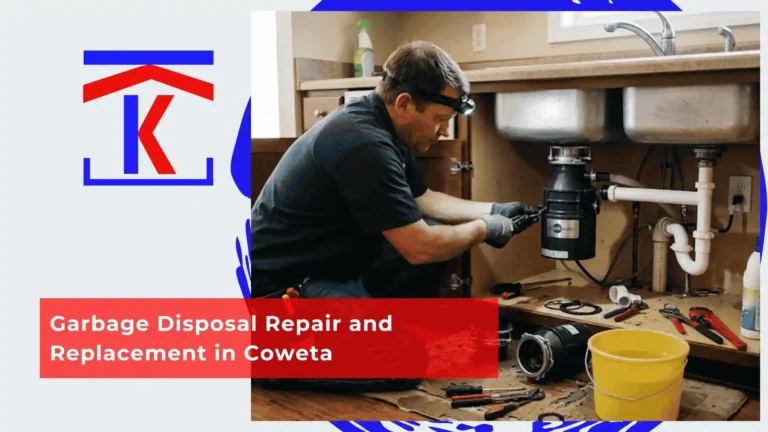
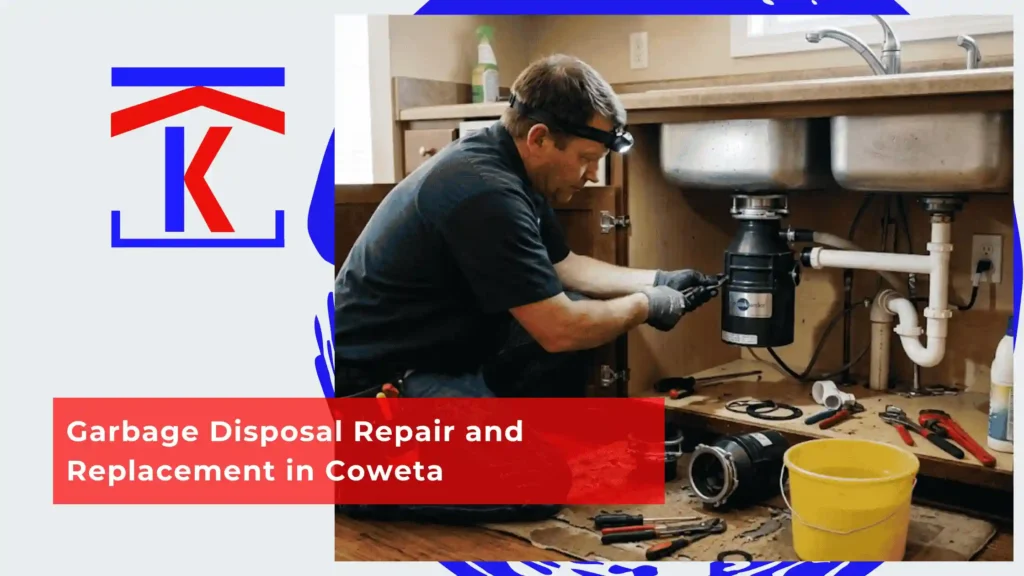
A malfunctioning Garbage Disposal can quickly turn a normal kitchen routine into a plumbing headache. In Coweta, Oklahoma, busy households rely on their kitchen sinks for food preparation, washing dishes, and everyday cleanup. When a disposal starts humming, leaking, clogging, or refusing to turn on, continuing to use it can make the problem worse. Professional inspection helps determine whether the unit can be repaired or whether replacement is the more practical solution.
Why Garbage Disposal Problems Matter in Coweta Kitchens
A garbage disposal is connected directly to the kitchen drainage system. When it operates properly, it helps break down suitable food waste before it moves through the drain.
However, the disposal contains moving components, electrical connections, seals, and plumbing connections. Any one of these can develop a problem over time.
A damaged disposal may cause more than an annoying noise. A failing unit can contribute to:
- Slow kitchen sink drainage
- Recurring clogs
- Water leaking beneath the sink
- Unusual grinding or humming
- Persistent odors
- A disposal that will not start
- Water backing up into the sink
Because the disposal sits underneath the sink, leaks can also expose the surrounding cabinet to moisture.
Coweta’s Growing Residential Areas
As Coweta continues to support a mix of established homes and newer residential development, homeowners may encounter garbage disposals of different ages, brands, and configurations.
A newer unit may only need a specific component repaired, while an older disposal with multiple problems may make replacement more sensible.
The important step is determining the actual cause rather than replacing a unit unnecessarily.
A Coweta Homeowner With a Failing Garbage Disposal
Consider a Coweta homeowner who began noticing a strange humming sound whenever the kitchen disposal was switched on.
At first, the disposal still seemed to work. However, the sink began draining more slowly, and water occasionally remained in the basin after washing dishes.
The homeowner tried repeatedly turning the disposal on and off, hoping the problem would correct itself. Eventually, the unit stopped grinding altogether.
A professional plumber inspected the disposal and found that the problem was more serious than a simple kitchen drain clog. The unit’s internal components were no longer operating correctly.
After checking the disposal, electrical connection, mounting assembly, and connected drain plumbing, the plumber determined whether repair was appropriate or if replacement would provide a more dependable solution.
The damaged unit was replaced with a properly sized disposal, and the plumbing connections were checked to ensure the new installation was secure.
The homeowner was able to return to normal kitchen use without continuing to deal with the unreliable disposal.
Repair or Replacement: Which Does Your Garbage Disposal Need?
Not every disposal problem requires a new unit.
Professional diagnosis is important because symptoms can sometimes originate from the plumbing rather than the disposal itself.
When Repair May Be Appropriate
Repair may be considered when the disposal has a relatively isolated problem, such as:
- A loose connection
- A minor plumbing leak
- A mounting issue
- A problem with an accessible component
- A blockage that does not indicate internal equipment failure
A professional can determine whether repairing the existing unit is practical.
When Replacement Makes More Sense
Replacement may be more appropriate when the disposal is old, severely damaged, leaking from its internal housing, or experiencing repeated failures.
A unit that continually requires repairs can become frustrating for homeowners. In those situations, replacing the disposal may provide a more reliable long-term solution.
The decision should be based on the condition of the unit rather than simply its age.
Why Professional Garbage Disposal Service Matters
Garbage disposal installation and repair may appear straightforward, but the appliance combines plumbing and electrical components underneath the sink.
Incorrect installation can create leaks, poor drainage, electrical hazards, or premature equipment failure.
A professional plumber can evaluate the complete setup rather than treating the disposal as an isolated appliance.
Checking the Plumbing Connection
A disposal must connect correctly to the kitchen drain system. Improperly fitted connections can leak or restrict drainage.
During replacement, the plumber can inspect the connected drain piping and make sure the new unit is properly integrated into the existing system.
Checking for Leaks
Leaks underneath a kitchen sink can go unnoticed for a while.
A small leak around the disposal, drain connection, or mounting assembly can eventually damage cabinetry or flooring.
Professional installation includes checking connections after the unit has been installed.
Matching the Replacement Unit
Not every disposal is appropriate for every kitchen.
A professional can consider the existing plumbing arrangement, sink configuration, available space, and disposal specifications when selecting a replacement.
This reduces the risk of installing a unit that does not fit properly or work well with the existing system.
Why DIY Garbage Disposal Repair Can Backfire
A disposal contains sharp internal components and electrical connections. Attempting to reach inside the unit without proper knowledge can create unnecessary safety risks.
Homeowners should also avoid putting their hands into a disposal to retrieve an object.
Turning off the wall switch alone may not be enough to make working around the electrical connection safe.
Another problem is misdiagnosis. A disposal that appears to be broken may actually be affected by a drain blockage, electrical issue, mounting problem, or another plumbing fault.
Professional troubleshooting allows the entire system to be assessed before a repair or replacement decision is made.
Signs Your Garbage Disposal May Need Professional Attention
Coweta homeowners should consider calling a professional when they notice recurring problems rather than repeatedly resetting or forcing the unit to operate.
The Disposal Only Hums
A humming sound without normal grinding may indicate that the motor is receiving power but the unit is unable to operate correctly.
Water Leaks Under the Sink
Water beneath the disposal should not be ignored. The source may be the disposal itself, a drain connection, or another component underneath the sink.
The Sink Drains Slowly
A slow-draining sink can indicate a blockage in the disposal or connected drain plumbing.
The Disposal Stops Working
If the unit suddenly becomes completely unresponsive, the cause could involve the electrical supply, switch, reset mechanism, or internal components.
Recurring Odors
Persistent odors may develop when food waste remains trapped inside the disposal or connected plumbing.
Professional inspection can determine whether cleaning, repair, or replacement is needed.
Choosing the Right Replacement Garbage Disposal
When replacement is necessary, homeowners should avoid choosing a unit based solely on appearance.
A professional can consider the household’s kitchen habits and existing plumbing configuration.
Important considerations can include:
- Motor capacity
- Physical size
- Sink compatibility
- Drain connection
- Electrical requirements
- Noise level
- Expected kitchen usage
- Manufacturer specifications
A properly selected unit should fit the existing installation and provide the performance needed by the household.
Maintaining Your New Garbage Disposal
Once a new disposal is installed, sensible maintenance can help keep the system operating properly.
Avoid putting unsuitable materials into the disposal. Hard objects, excessive grease, fibrous materials, and other inappropriate waste can cause problems.
Run appropriate amounts of water during normal disposal use and avoid treating the unit as a replacement for ordinary household waste disposal.
If the disposal begins producing unusual noises, develops a leak, or stops draining properly, arrange for professional inspection rather than repeatedly forcing it to operate.
FAQs About Garbage Disposal Repair and Replacement
How do I know if my Garbage Disposal needs replacement?
A professional inspection can determine whether the problem is repairable. Replacement may be appropriate when the unit has significant internal damage, persistent leaks, or repeated failures.
Why is my disposal humming but not grinding?
A humming disposal may indicate that the motor is receiving power but the grinding mechanism is not operating correctly. Professional diagnosis is recommended rather than attempting to reach inside the unit.
Can a leaking Garbage Disposal be repaired?
It depends on where the leak originates. A leak from a connection or mounting component may be repairable, while internal housing damage may require replacement.
How long does a Garbage Disposal typically last?
Lifespan varies based on the unit, installation, usage, and maintenance. Frequent problems are a reason to have the disposal professionally assessed rather than relying on age alone.
Should I repair or replace an old disposal?
The right decision depends on the unit’s condition, repair requirements, and overall reliability. A professional can compare the condition of the existing unit with the requirements of a replacement.
Get Professional Garbage Disposal Service in Coweta
A broken Garbage Disposal does not have to turn into a major kitchen plumbing problem. Whether your disposal is humming, leaking, clogging, or refusing to operate, professional diagnosis can identify the underlying issue and determine whether repair or replacement is appropriate.
For Coweta homeowners, professional plumbing service provides the equipment, experience, and installation knowledge needed to handle disposal problems safely and correctly.
Contact Kurb to Kitchen LLC today to schedule Garbage Disposal repair or replacement in Coweta and get your kitchen sink working properly again.